Writing on travel & prayer
Qasr, explained journey by journey
Clear, sourced guides on shortening prayer while travelling: qasr distance, planned stay, muqeem, combining prayers, and how the four madhhabs differ.
 pilots
Qasr for pilots, cabin crew and frequent flyers
If you fly for work or travel often, you can usually shorten Dhuhr, Asr and Isha. The key issues are when your journey ‘starts’, how the distance is measured, and how long you intend to stay on layover. Here’s how the four madhhabs apply to real rosters.
 congregation
Traveller praying behind imam: can you still shorten?
You’re travelling and catch jama’ah in a local mosque: do you pray two or four? The stakes are real, because the ruling changes how you perform Dhuhr, ‘Asr and ‘Isha. Here’s how the four schools handle a traveller praying behind a resident imam, with practical scenarios and evidence.
 travel
Qasr holiday: which prayers to shorten on a two‑week trip
Planning a two‑week holiday and unsure about qasr? Here’s exactly which prayers to shorten, when you can start on the journey, and when you must stop at your destination, with the Hanafi 15‑day rule and the Shafi‘i/Maliki/Hanbali 4‑day rule explained clearly.
 hanafi
Is qasr wajib? What each madhhab says
Is shortening the prayer (qasr) obligatory or optional? Hanafis say it’s wajib for a traveller; Shafi’i, Maliki and Hanbali say it’s a confirmed sunnah and better than praying full. Here’s how the four schools apply it, when you still pray full, and practical examples.
 commuting
Qasr for commuters and long‑distance workers
Do daily commuters or long‑distance workers shorten prayer? It depends on distance and how long you intend to stay. Here’s how the four schools treat routine work travel, with clear examples and when to start qasr.
 hanafi
When does travel start for qasr? Leaving the city limits
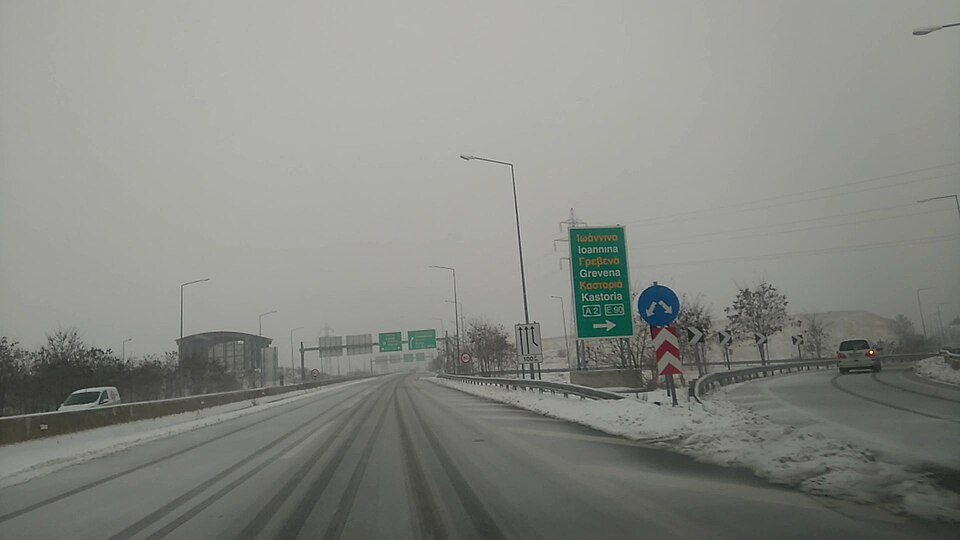
All four schools agree you only start qasr after leaving your town’s built‑up area. The harder bit is how to measure the qualifying distance: from the city edge (classical) or from where you set off. Here’s how the madhhabs handle it, with worked examples and practical tips.
 students
Qasr for students studying abroad: traveller or resident?
If you’re an international student, you shorten (qasr) while travelling, but at your study city you’re a resident if you intend to stay long enough. The Hanafi school sets 15 days; the Shafi'i, Maliki and Hanbali set 4 days. Here’s how that plays out for semesters, visits home and weekend trips.
 umrah
Makkah to Madinah: qasr rules for Umrah and Hajj
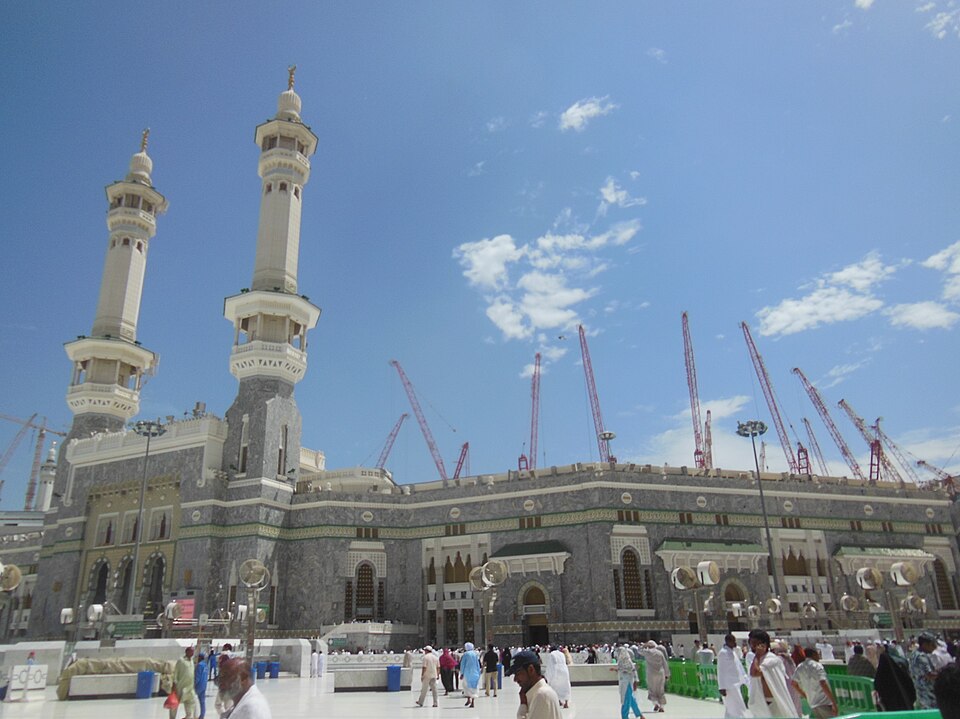
Travelling between the Two Holy Cities easily exceeds the distance for qasr. The real questions are when shortening begins, and whether your stay in Makkah or Madinah makes you a resident under your madhhab’s 4‑day or 15‑day rule.
 travel
Praying on a plane: qasr, qibla and what to do when you land
Flying doesn’t remove the duty of salah, but it changes how you fulfil it. Here’s when qasr applies on flights, how to face the qibla in‑air, when you can pray seated, and what to do on landing according to all four schools.
 shafi'i
The 4‑Day Rule in Qasr: Do Arrival and Departure Days Count?
Many Muslims hear about a “4‑day rule” for qasr. But do the Shafi'i, Maliki and Hanbali schools all count those days the same way—and do arrival and departure days count? Here’s the practical answer with examples.
 hanafi
The Hanafi 15‑Day Rule: When You Become Muqeem
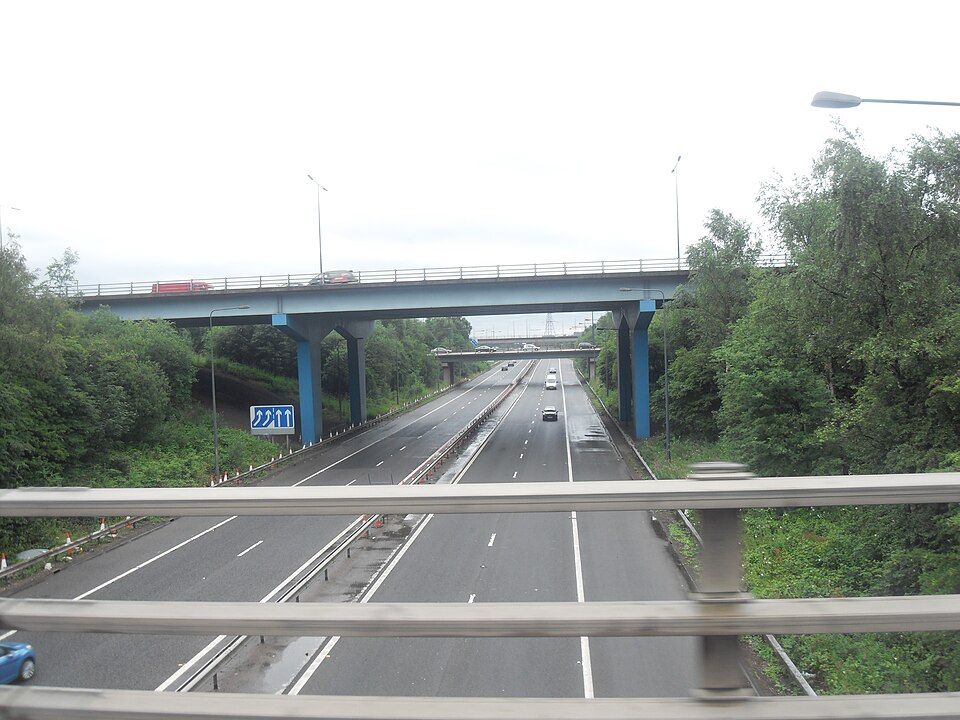
In the Hanafi madhhab you become muqeem (resident) the moment you intend to stay 15 days or more in one place, and you stop praying qasr. This article explains how it works in practice, what counts as a place, how it differs from the other schools, and where distance fits in.
 jam
Combining prayers while travelling (jam’) and how it differs from qasr
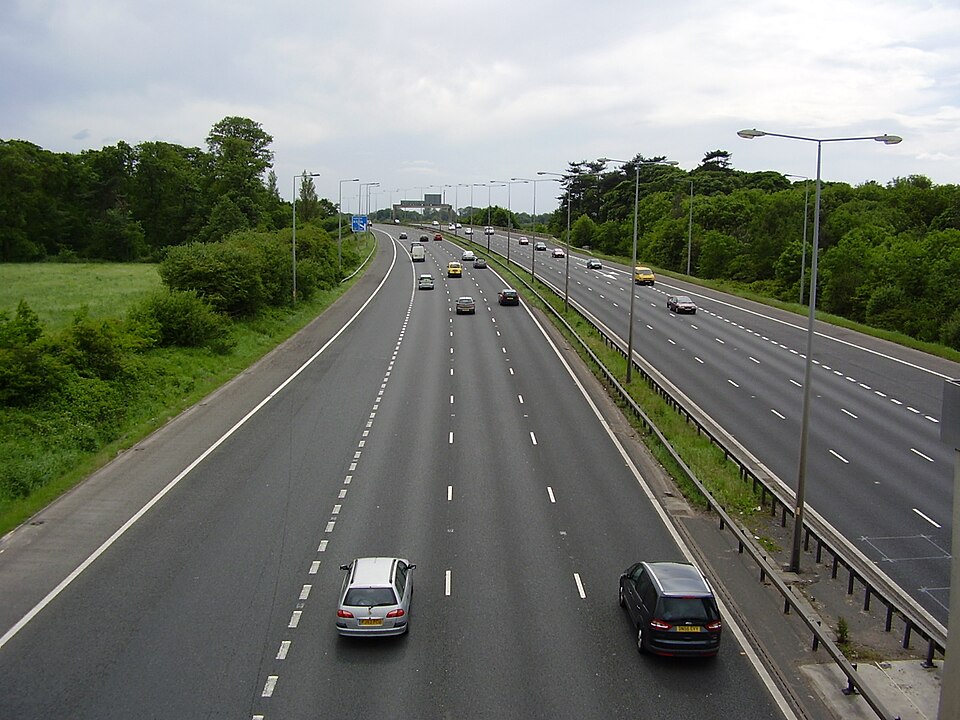
Travelling often squeezes prayer times together. Can you combine Dhuhr–Asr or Maghrib–Isha, and do you also shorten (qasr)? Here’s how jam’ works, how it differs from qasr, and what the four madhhabs allow, with practical steps and a worked UK example.
 distance
How Far Do You Have to Travel to Shorten Your Prayer?
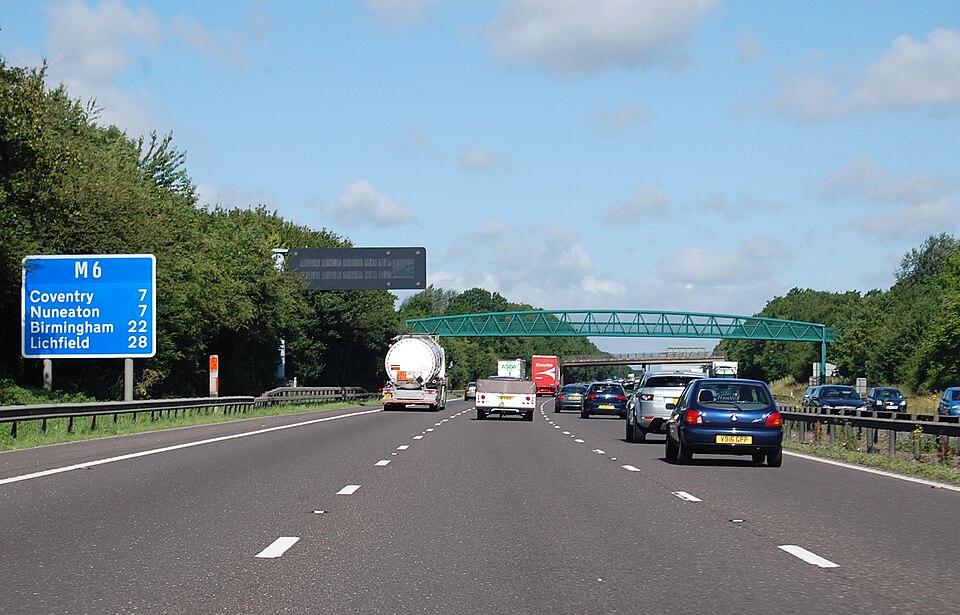
Most scholars put the qasr distance at roughly 80 km, or 48 to 50 miles, measured one way. Here is exactly how the four madhhabs count it, where scholars differ on the starting point, and how to check your own trip.
 day trip
Qasr Day Trip: Can I Shorten My Prayer on a Same‑Day Return?
Yes, you can shorten on a same‑day return if your trip meets the traveller distance and you don’t intend a long stay. Here’s how the four madhhabs rule day trips, with a worked UK example and tips to avoid common mistakes.